Jenna McCallum: Music, Vulnerability & Authenticity
September 17, 2026
For Jenna McCallum, music has never simply been music.
At 21, the Australian vocalist Jenna McCallum has already developed an unusual personal relationship with sound. Before releasing her own music, Jenna has spent years discovering what music can do—not only as an art form, but as an escape, a source of safety, and a way of connecting people who may otherwise have nothing in common.
“I feel like a major source of relief, comfort, expression was through singing for me,” she says.
Growing Up in Geelong
Growing up in Geelong, Victoria, in Australia, Jenna describes herself as privileged to have been raised by two loving parents who devoted themselves to her. Her childhood, however, was not without its difficulties. Jenna grew up alongside a severely disabled sister, whose needs naturally required a significant amount of attention from the family.
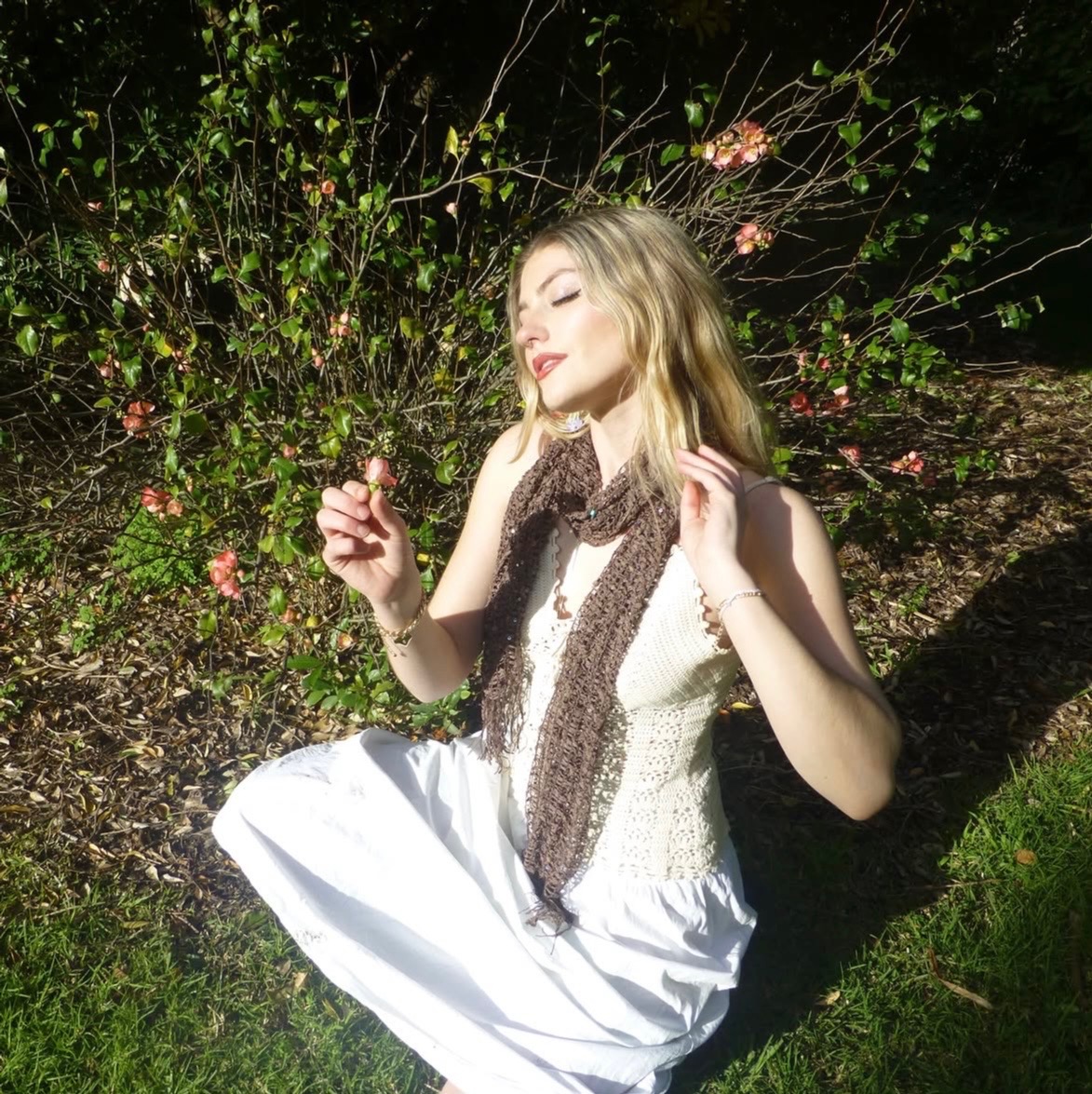
“It did shift the focus away from a lot of normal attention needs that a child needs when they grow up, because she needed double of that,” Jenna explains.
Her family history is equally layered. Her mother was born in Zimbabwe before eventually moving to Australia, while her father was born in Geelong. Jenna also discovered that one of her great-great-great-grandmothers was among the first prisoners transported to Australia with the First Fleet—and one of only two women from that group to eventually be set free.
That history, combined with her parents’ differing backgrounds and beliefs, created an environment where Jenna learned that differences did not have to create division.
Those principles followed Jenna into music.
Finding Music
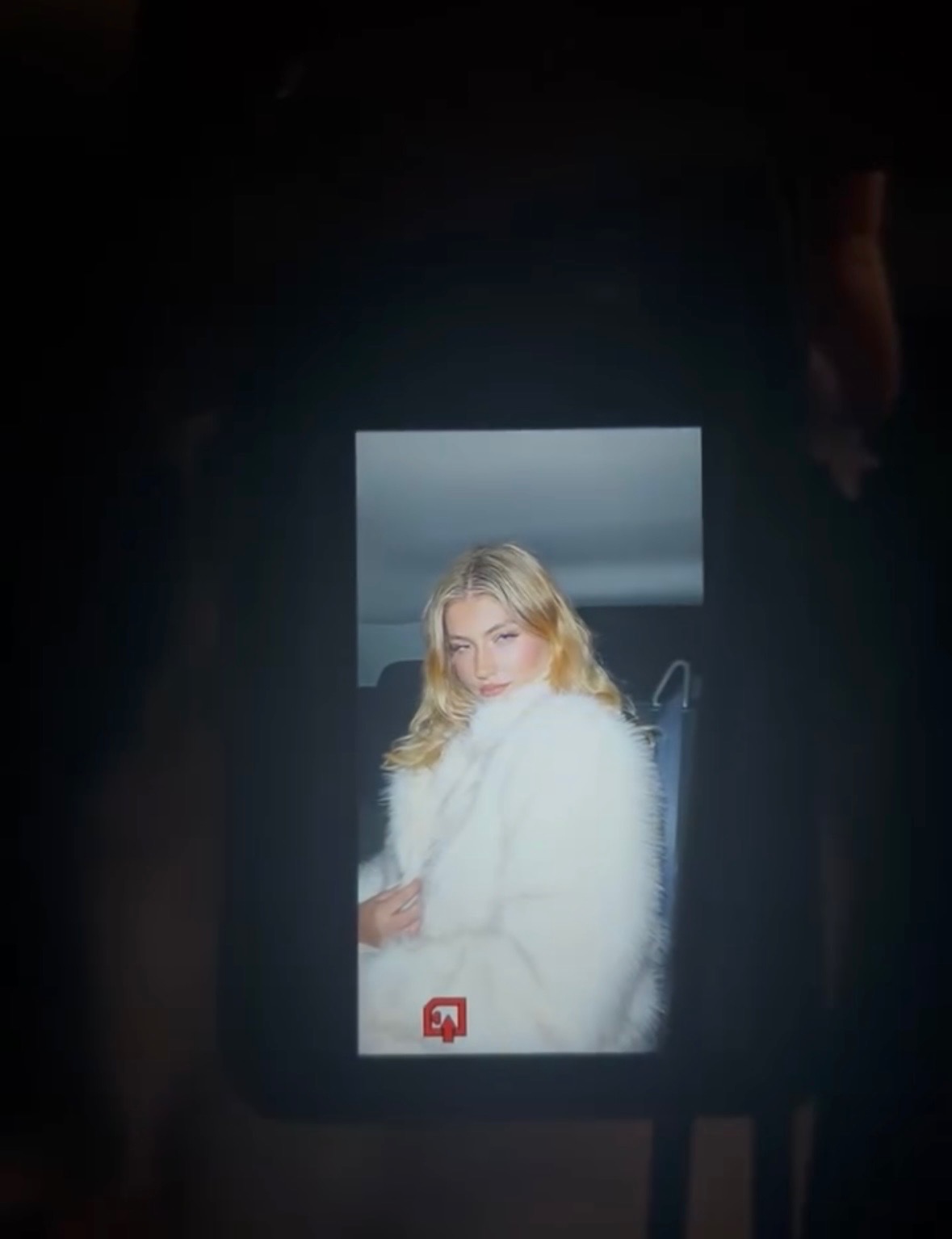
Singing became an outlet from a young age, particularly as she encountered experiences that were difficult to process. Experiences and ups and downs all became part of the complicated emotional landscape that eventually informed her creativity. For Jenna, singing became a form of self-soothing.
“I think that if I didn’t have music, I wouldn’t be here.” she says.
That statement is perhaps the clearest explanation of why her ambitions extend beyond simply becoming a successful vocalist. Jenna doesn’t want to make music that merely sounds good. She wants to create something listeners can inhabit.
“I want to be an escape for people essentially.”
The kind of music she imagines is immersive. She wants listeners to feel as though they are being taken somewhere—to hear a voice that tells them a story, creates visuals and evokes an emotion they might not have known how to express themselves. Most importantly, she wants people to feel safe.
That desire comes from her own experiences with music. Throughout her life, songs and artists have provided the kind of emotional companionship that can be difficult to find elsewhere. As she became more involved in music, she began to recognize that she could potentially offer that same feeling to somebody else.
That is also why Jenna sees music as something fundamentally human. In an era increasingly shaped by artificial intelligence and social media, she believes there will always be something irreplaceable about the connection between one person and another.
The Universal Language
To Jenna, music is the universal language—not because everyone understands the lyrics, but because everyone can understand emotion. She listens across genres and cultures, from rap and country to classical, rock, punk and heavy metal. Genre, to her, is secondary to execution and feeling.
Her admiration for James Blake illustrates that philosophy particularly well. Blake sits at the centre of Jenna’s current musical admiration, particularly because of his production. She is fascinated by his ability to manipulate sound, texture and melody in ways that make music feel almost physical. His work with artists such as Frank Ocean, Travis Scott and Metro Boomin has further reinforced Jenna’s appreciation for production that can turn an already powerful vocal or lyric into something atmospheric and unforgettable.
But her influences stretch much further.
Adele and Sia were major influences during her childhood, while artists such as RAYE, Whitney Houston, Kelly Clarkson and Michael Jackson represent the kind of vocal and emotional performance Jenna admires. She isn’t interested in music simply because it belongs to a particular genre. She’s interested in what happens when an artist can make you feel something.
How She Creates
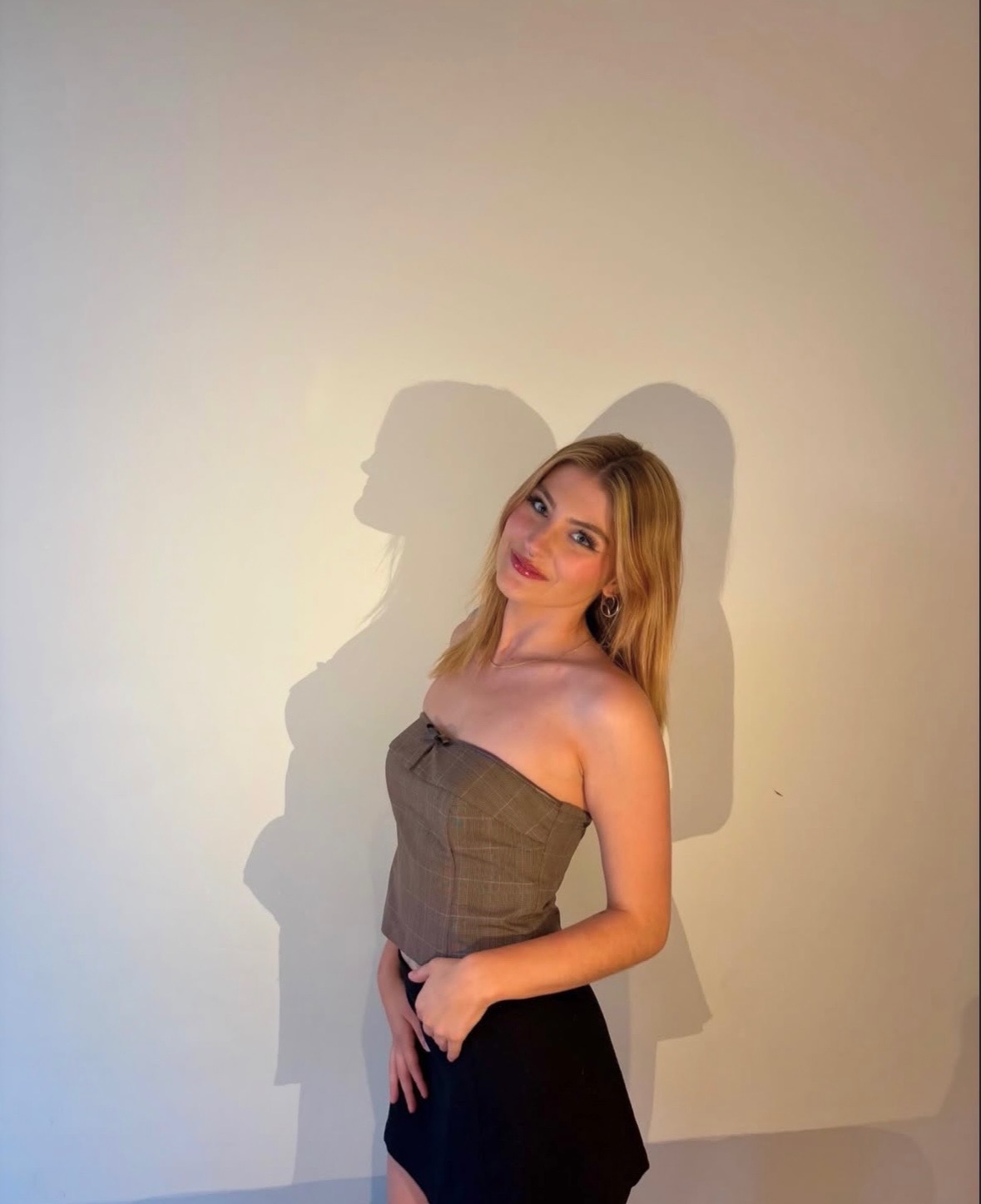
When Jenna creates, lyrics come first. She reads constantly and has a deep appreciation for poetry, language and flow. A single lyric capable of making someone stop and think can be enough to capture her attention. Words, she says, “mean almost everything” to her. From there comes emotion, followed by melody and production. She is drawn toward small vocal details—high-pitched inflections, layered sounds and melodies that become addictive without necessarily being obvious. Production matters just as much. She loves the contrast of emotionally powerful vocals placed over unexpected or beautiful instrumentation.
That combination of lyricism, emotion and sound forms the foundation of the artist she wants to become.
And while Jenna has yet to officially release her own music, she doesn’t see that as a reason to wait before defining what she wants her music to mean. She knows she needs to continue developing her songwriting. She knows there is still work to do. But she also knows what she wants the finished product to accomplish.
She wants someone to listen and think:
“I feel heard, I feel safe, I’m not alone.”
That philosophy also explains her frustration with the direction of modern music and the increasing presence of AI. Jenna isn’t interested in competing with technology by trying to replicate it. Instead, she wants to emphasize the qualities technology cannot authentically replace: imperfection, soul, vulnerability and human experience. She wants to bring back the kind of music she associates with artists like Adele, Whitney Houston, Kelly Clarkson and Michael Jackson—music that, in her eyes, carried meaning beyond simply making money.
“They weren’t there just to make a buck,” she says. “They were there to send a message.”
What Success Means
For Jenna, success has consequently taken on a completely different meaning. She doesn’t dream of fame for fame’s sake. She doesn’t obsess over numbers or how many people she can influence. Her definition of success is much more intimate. If her music helps one person through something difficult, she considers that a victory.
“If it saves someone’s life or if it saves a part of a person… I’ve won at life.”
That mindset is perhaps what separates Jenna’s ambitions from the conventional image of an aspiring artist. She isn’t particularly interested in being famous. She wants to leave something behind. She wants people, years later, to remember her as someone who mattered to a particular group of people. Someone who changed something. Someone who brought a sense of humanity back into music.
A Voice for the Voiceless
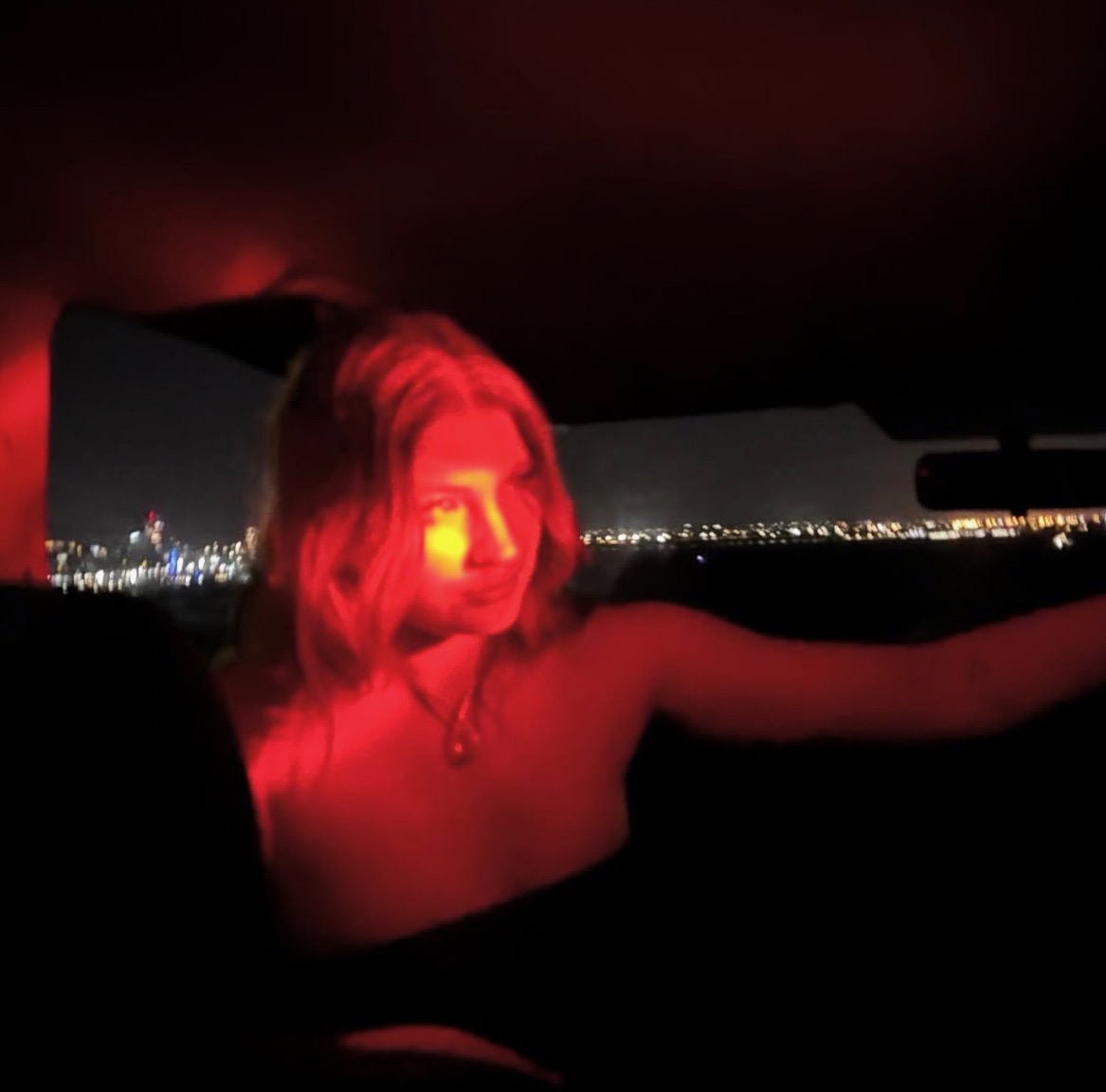
And interestingly, music isn’t even her only passion. Alongside her artistic ambitions, Jenna studies biological sciences, with a focus on zoology and microbiology. Her interest in the natural world reflects another part of the same philosophy that drives her music: the desire to care for things that cannot always speak for themselves.
“I really think that I need to be a voice for the ones who don’t have a voice.”
That includes animals, but the sentiment extends further. Whether through science, music or simply the relationships she builds with people, Jenna seems driven by the same underlying principle: to make someone—or something—feel less alone. Perhaps that is why her definition of success feels so simple. Jenna isn’t chasing a number. She isn’t chasing celebrity. She’s chasing impact. And before she has even released her first record, she already knows exactly what she wants that impact to feel like.
To feel human, safe, honest and above all, real.