Will Abbass: Seven Foot Views
August 24, 2026
Who is Will Abbass?
Born and raised in Halifax, Nova Scotia, Will Abbass has always been drawn to competitive environments. From an early age, basketball became a major part of his life, shaping not only his identity as an athlete but also the discipline, consistency, and work ethic he would eventually carry into his creative career.
Born in 2006 to a Lebanese father and an English mother, Will grew up between two cultures. His mother’s family had lived in the Maritimes for generations, while his father’s Lebanese heritage remained an important part of his upbringing. Rather than existing separately, the two cultures naturally blended within his family and everyday life.
His family maintained traditions connected to his Lebanese roots while incorporating elements of their English and Maritime backgrounds. That mixture gave Will an early appreciation for the diversity around him and a curiosity about the ways different cultures could influence one another. Over time, that curiosity became part of how he looks at people, environments, and culture through his own lens.
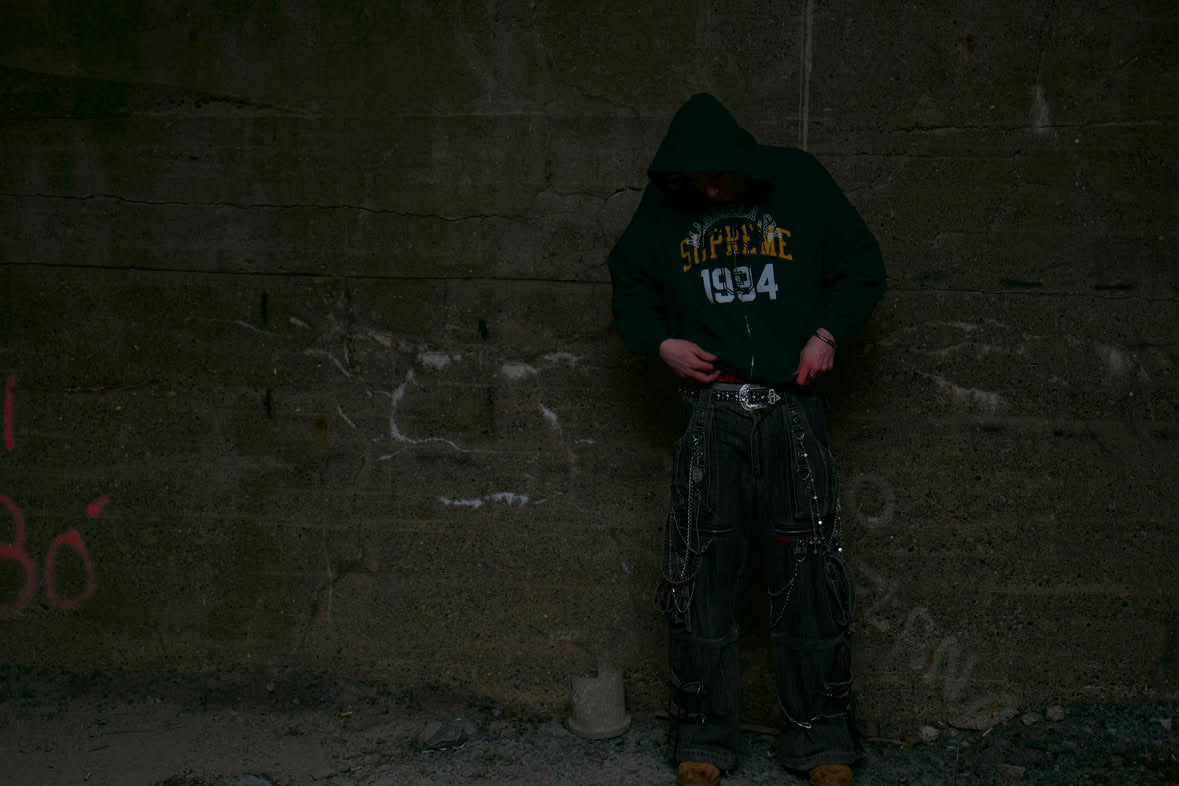
His connection to photography also began before he ever considered it a career. His grandfather ran a photography studio and development plant in Cape Breton for years before Will was born. After his grandfather passed away, photography took on a deeper meaning. It became a way for Will to pay homage to him while continuing a creative legacy in his own way.
Before the camera became central to his life, however, basketball came first.
Standing at 7’0”, Will played predominantly at power forward and centre and eventually reached the professional level. Basketball placed him in highly competitive environments from a young age. It demanded discipline, resilience, consistency, and the ability to perform under pressure—qualities that continue to shape how he approaches his creative work. Looking back, Will says he’s grateful for everything the sport gave him: the people he met, the opportunities he experienced, and the mentality it instilled in him.
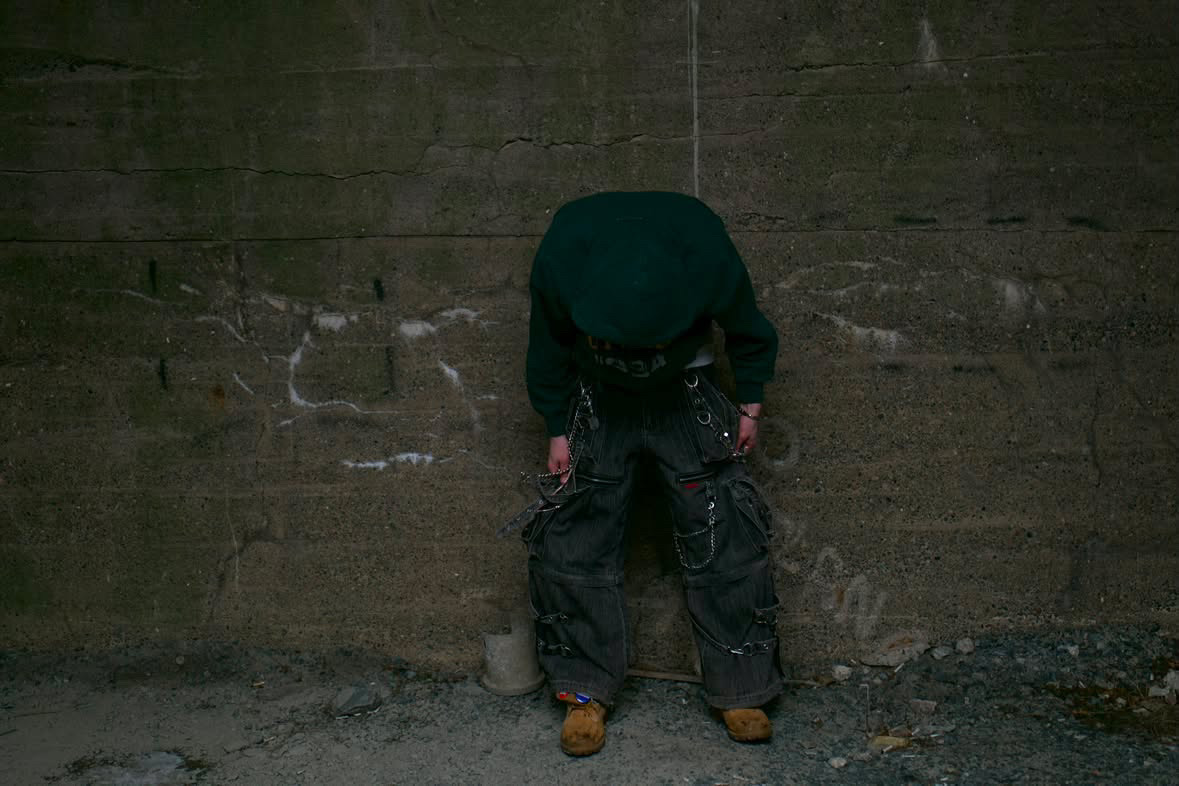
Photography was developing alongside all of that.
While still playing professional basketball, Will began taking photography more seriously. What started as a hobby eventually caught the attention of his teammates, who noticed how much he enjoyed being behind the camera and encouraged him to pursue it further.
He had loved taking photographs for as long as he could remember, but stepping away from basketball finally gave him the freedom to explore photography on his own terms. In many ways, the transition brought him back to something that had already been part of his family history. His grandfather had worked behind a camera long before him. Now Will was developing his own relationship with the medium—not simply continuing what came before, but building something distinct from it.
Finding His Visual Language
For Will, music has had one of the strongest influences on the way he creates.
Some of his earliest inspirations came from A$AP Rocky and A$AP Mob, Tyler, the Creator and Odd Future, and Westside Gunn and Griselda. The visual worlds surrounding Playboi Carti, Pierre Bourne, and the early SoundCloud era of the 2010s also influenced how he understood branding, fashion, and the relationship between music and imagery.
As his taste developed, those influences became increasingly diverse. Deftones, Matt Ox, Montell Fish, Gorillaz, Gao the Arsonist, Dean Blunt, Alex G, Earl Sweatshirt, and The Smashing Pumpkins have all contributed to the atmosphere he looks for in his more emotional projects.
His approach to live photography draws from a different collection of influences. EDM, Schranz, and house music sit alongside punk and alternative artists such as The Damned, Pixies, Pearl Jam, Minor Threat, and the Sex Pistols.
He became particularly drawn to the visual language of punk from the 1980s and early 2000s. There was an honesty to it that resonated with him—people expressing themselves without worrying about whether the moment looked polished or perfect. That idea became fundamental to the way he photographs live events. Will isn’t interested in simply documenting who performed or what happened on stage. He wants to capture what it felt like to actually be there: the movement, energy, emotion, chaos, and vulnerability that exist within a live environment.
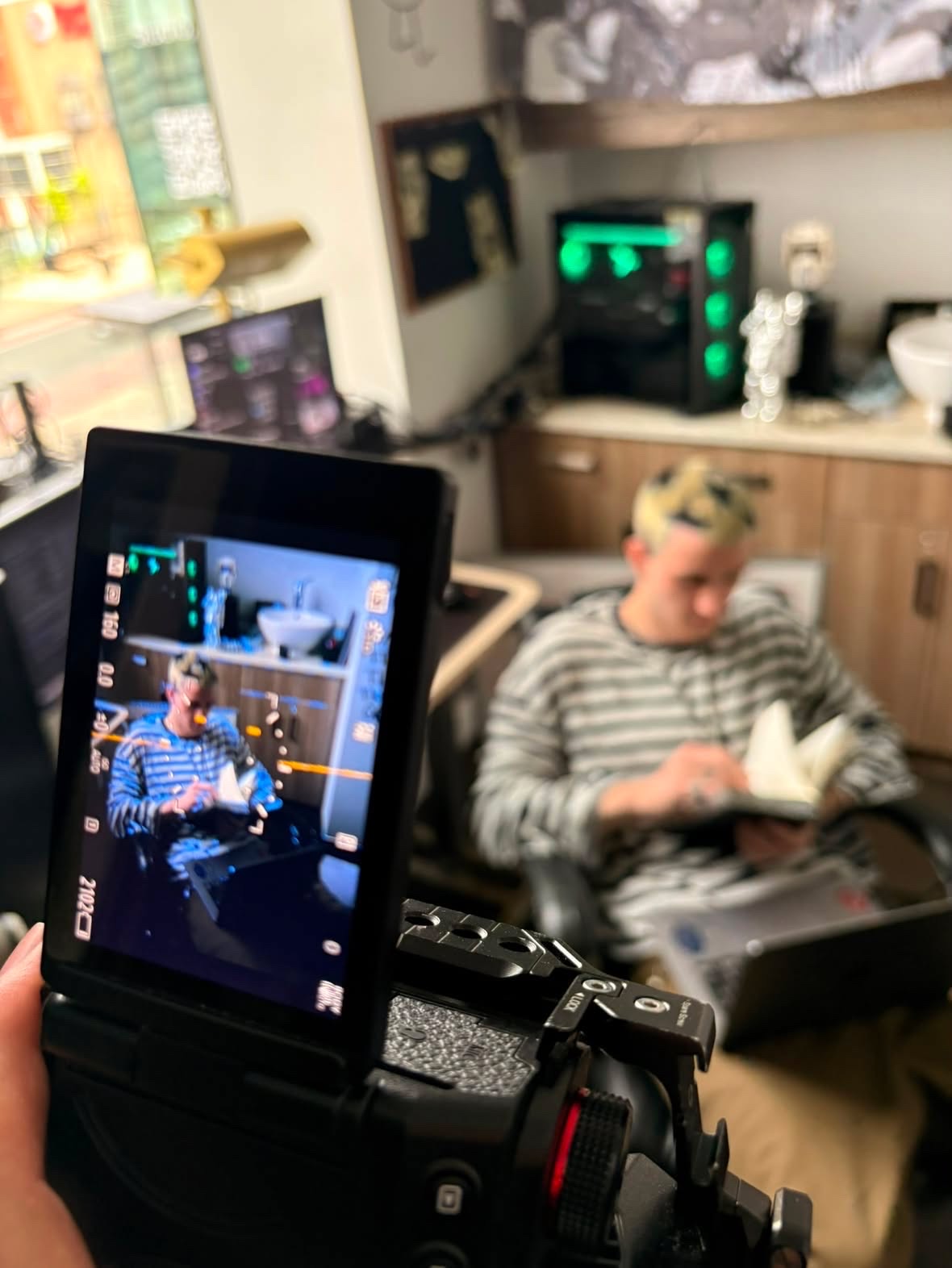
The goal isn’t traditional coverage.
It’s experience.
He wants the photograph to feel like the moment felt. His approach to fashion and personal projects is similarly shaped by the worlds around him. Avant-garde fashion and streetwear introduced him to unconventional styling, angular compositions, experimental lighting, and less traditional approaches to visual presentation. Rather than treating the clothing, model, lighting, and environment as separate elements, he looks at how they can work together to create a larger feeling.
Psychedelics have also influenced the way he views subjects and composition, encouraging him to look at familiar things from unfamiliar perspectives and remain open to unexpected possibilities. That openness has become one of the defining characteristics of his work.
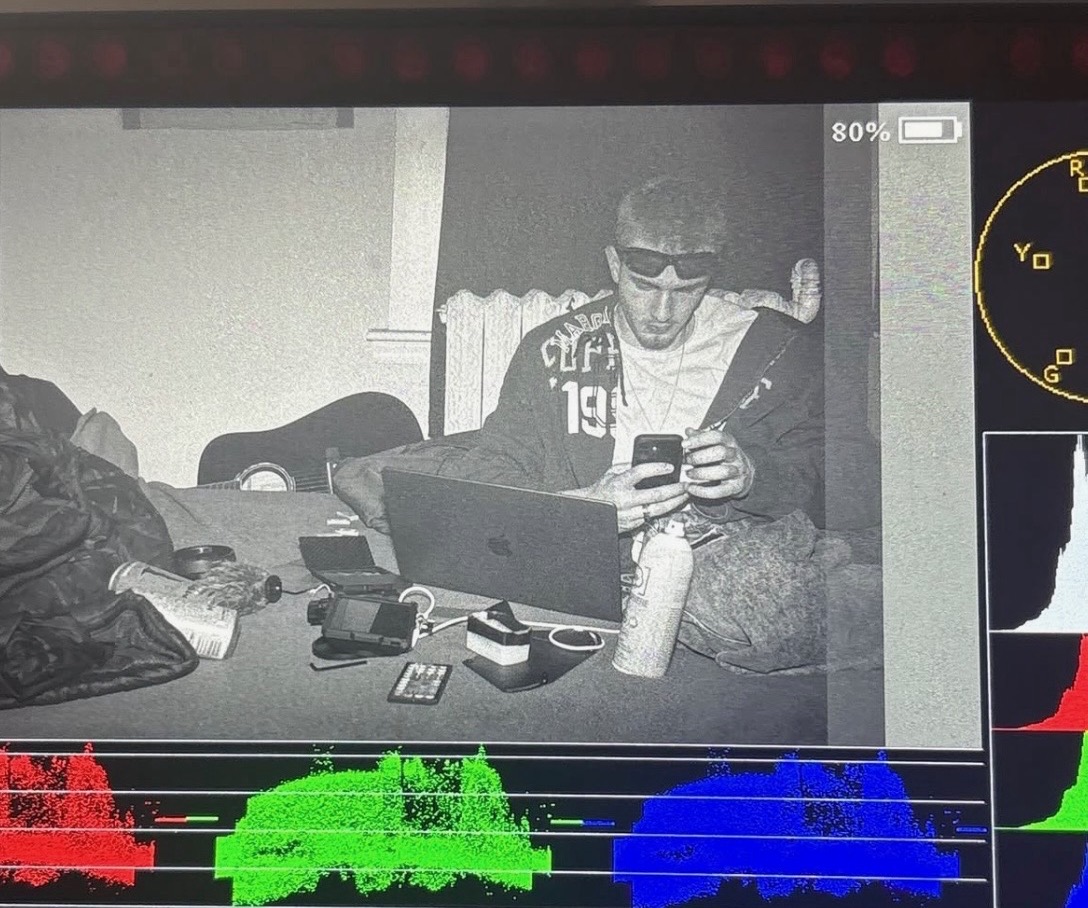
Emotion Comes First
When Will creates an image, emotion comes before everything else. His years studying psychology have influenced how he thinks about people, behaviour, and the ways individuals communicate what they feel. That interest naturally found its way into his photography.
He believes advances in AI will make technically impressive imagery increasingly accessible. But to Will, technical ability has never been the most important part of an image.
Human emotion is.
He believes technology may eventually be capable of reproducing convincing aesthetics, but genuine emotion and lived experience remain fundamentally human. That belief informs the way he approaches every shoot. Composition, lighting, storytelling, and editing all matter, but they are ultimately tools for communicating a feeling.
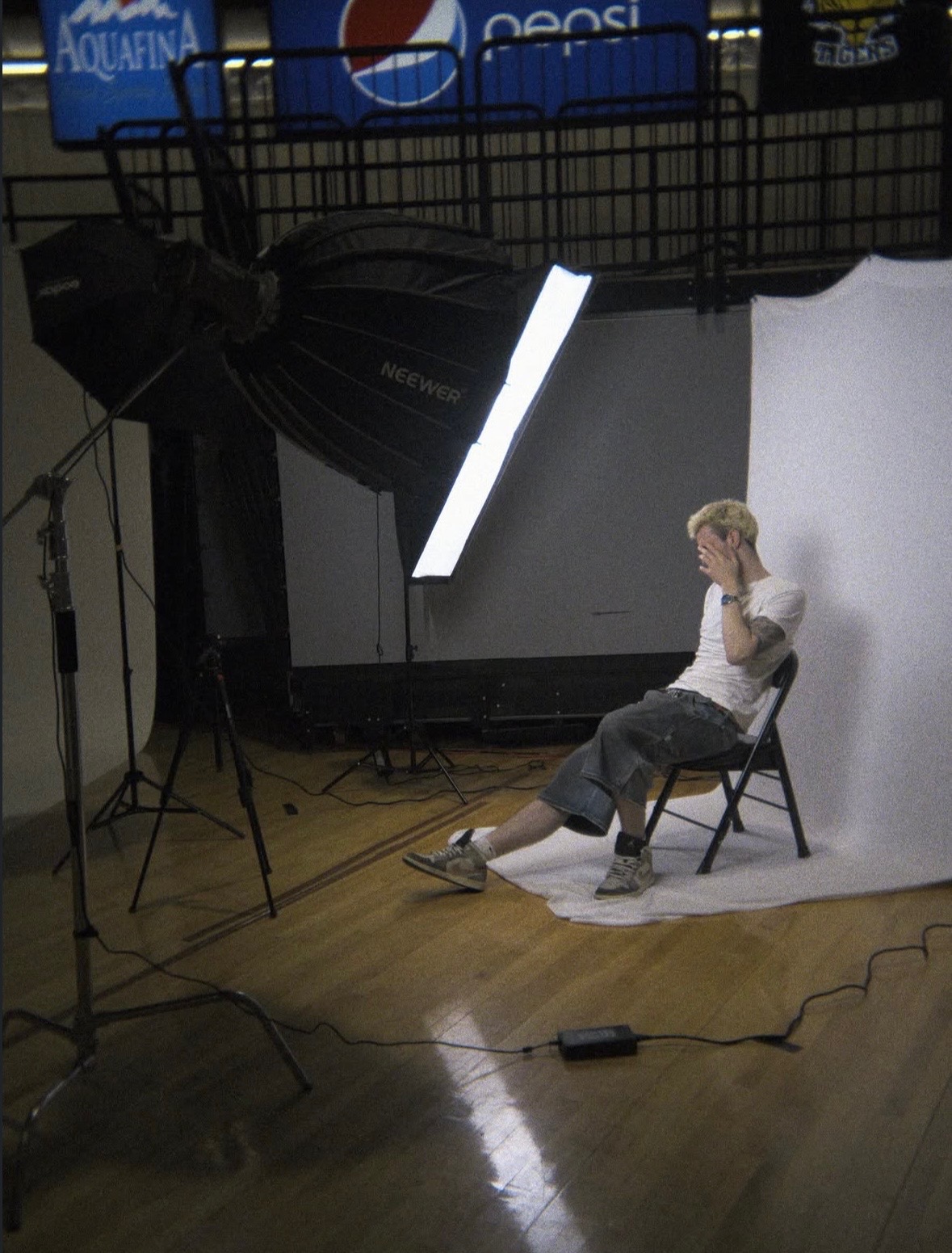
Lighting plays a particularly important role. For Will, lighting and storytelling are inseparable. Change the way a subject is lit and you change the emotion of the image; change the emotion, and the story changes with it. His photographs are meant to give viewers a glimpse into someone’s inner world—not simply what a person looks like, but what they might be feeling.
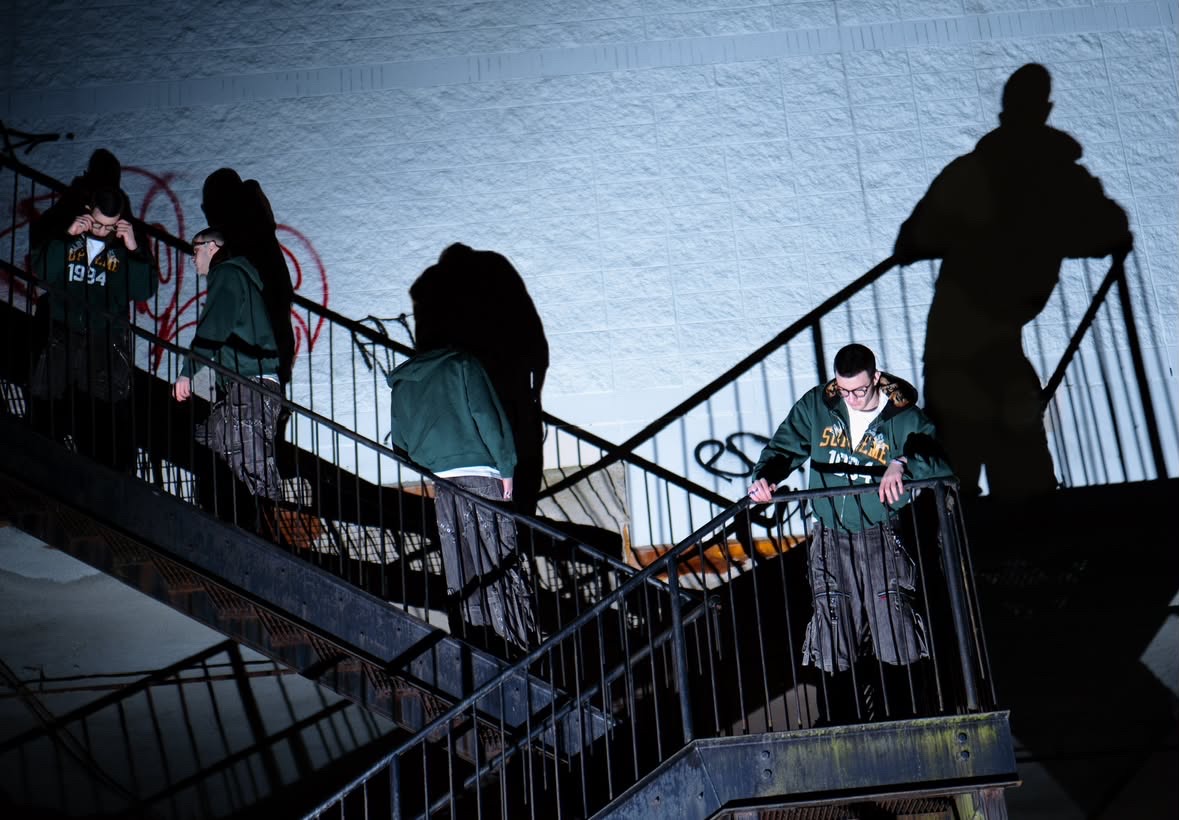
That is also why his shoots aren’t always completely planned before the camera comes out. Will describes his work as raw, emotional, vulnerable, and somewhere between old and new. He doesn’t need every idea to be completely formed before a shoot begins. Sometimes the strongest direction comes from what happens once everyone is actually in the room.
The people, music, lighting, environment, and energy can all change the original idea. Instead of fighting that, he lets the shoot become part of the creative process.
No Fixed Style
Will doesn’t believe in boxing himself into one visual style. Every shoot requires its own direction, aesthetic, and approach to lighting. He wouldn’t photograph a rave the same way he would photograph a jazz festival, just as he wouldn’t approach every model, clothing style, or creative project using the same visual language.
He adapts to the client, subject, environment, and atmosphere. If he had to identify one aesthetic that consistently draws him in, it would be harshly contrasted black-and-white and monochromatic imagery.
For Will, black and white carries a certain honesty. Without colour to rely on, composition, lighting, expression, and emotion become harder to disguise. You can’t hide a weak composition. You can’t hide mismatched energy. And you can’t use colour to distract from an image that doesn’t work.
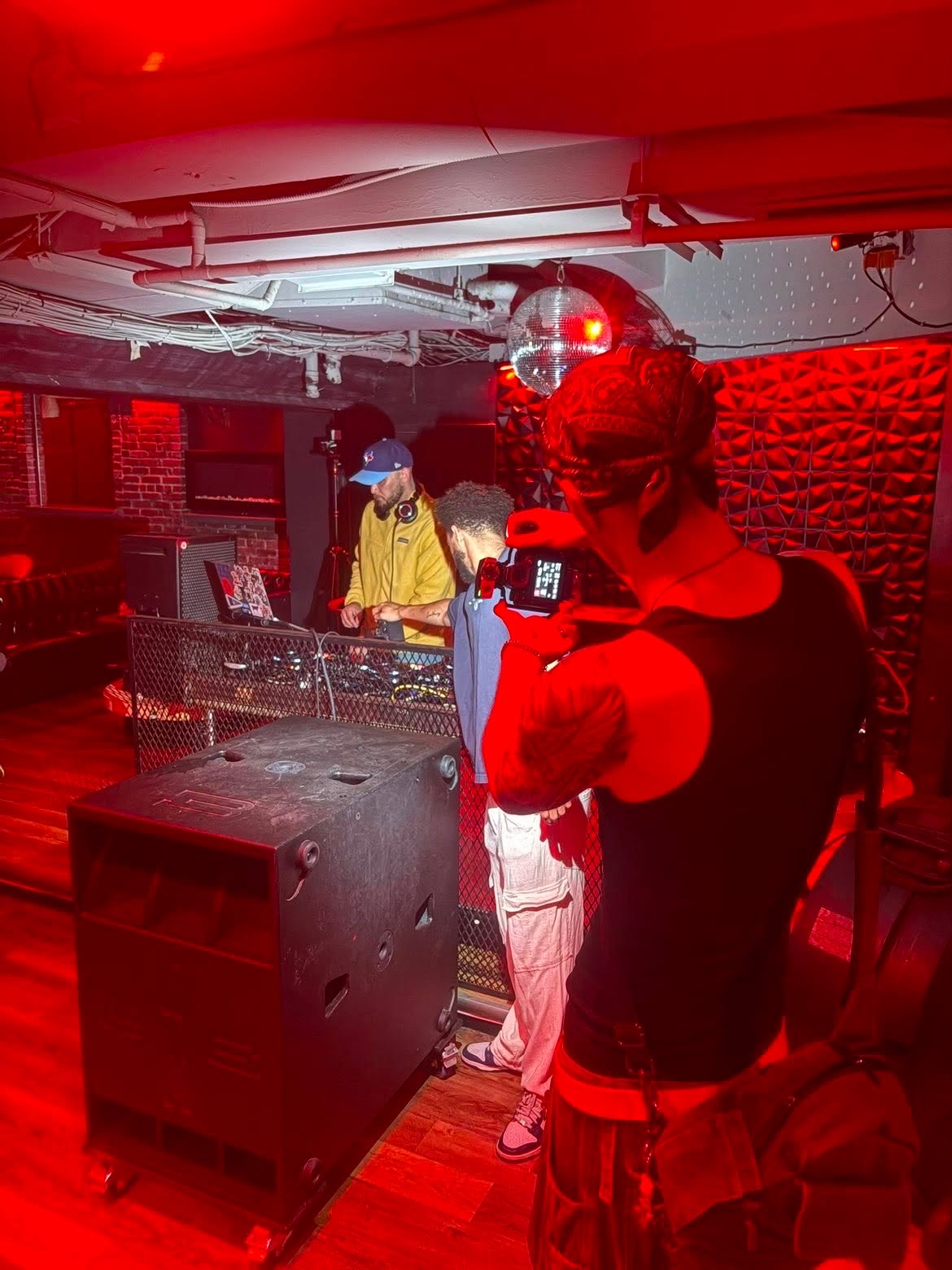
That same willingness to remain open extends beyond photography. Will makes a point of learning from anyone willing to share how they approach their craft. His influences aren’t limited to photographers or artists; he’s taken lessons from directors, producers, clothing designers, bartenders, salespeople, and people working across completely different industries.
“Everyone has something to teach you. You just have to be open to growth.”
That mindset has allowed him to keep evolving rather than settling into one formula.
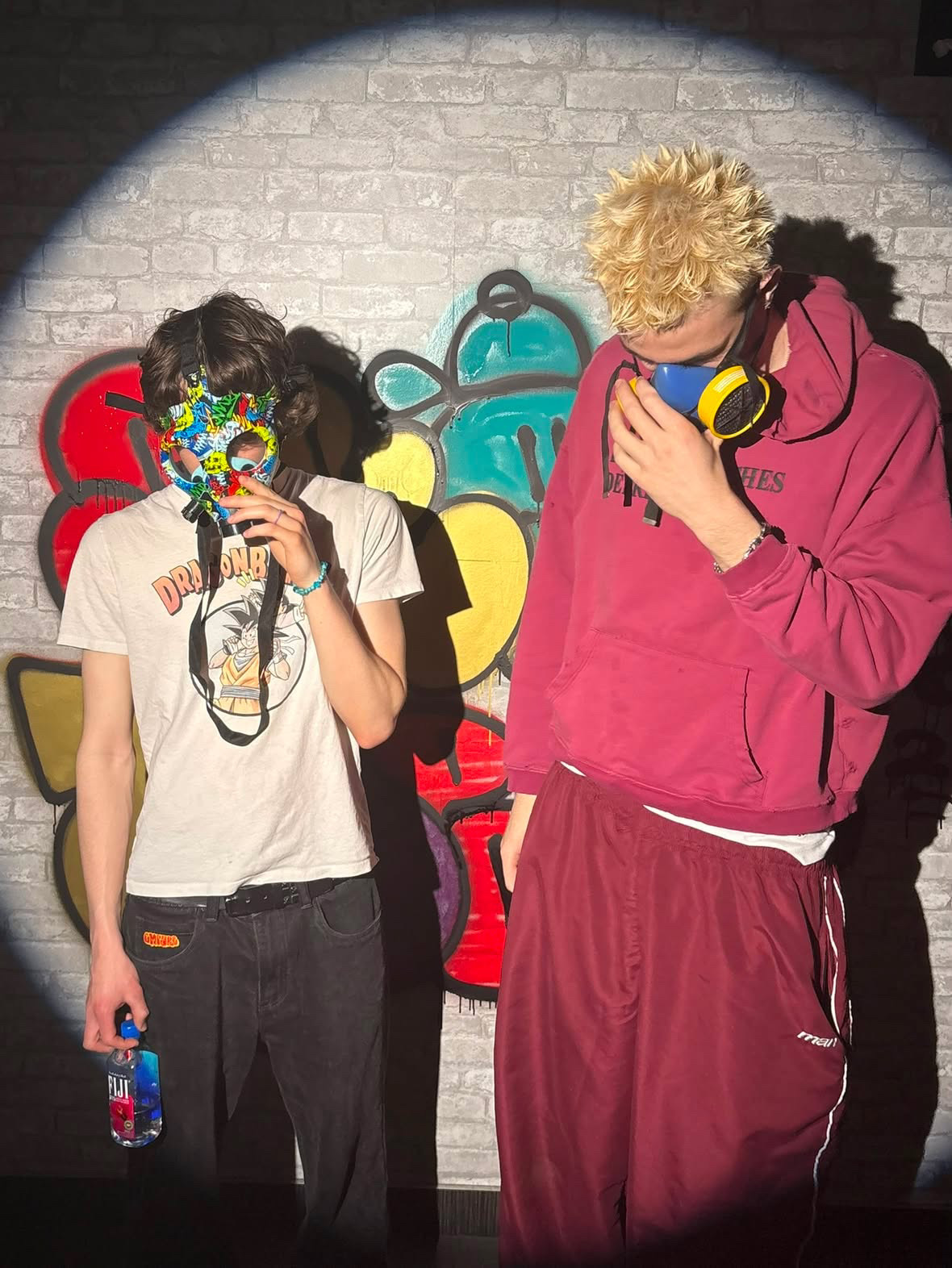
Embracing Imperfection
In a creative space where photography can sometimes begin to feel increasingly similar, Will believes one of the things that separates his work is his willingness to take risks. When asked what separates him from other photographers, his answer is simple:
“They’ll never be me.”
He isn’t dismissing the photographers around him. In fact, he knows plenty whose work he considers incredible. But everyone experiences the world differently, and that difference inevitably finds its way into the work. Someone can imitate another photographer’s style, but they can’t replicate the way that photographer sees.
For Will, that individuality is strengthened by leaving room for imperfection. At live events, he often posts photographs as they were shot rather than trying to make every frame feel overly polished. In the studio, he’ll experiment with lighting setups he’s never practiced before and try ideas simply to see where they lead.
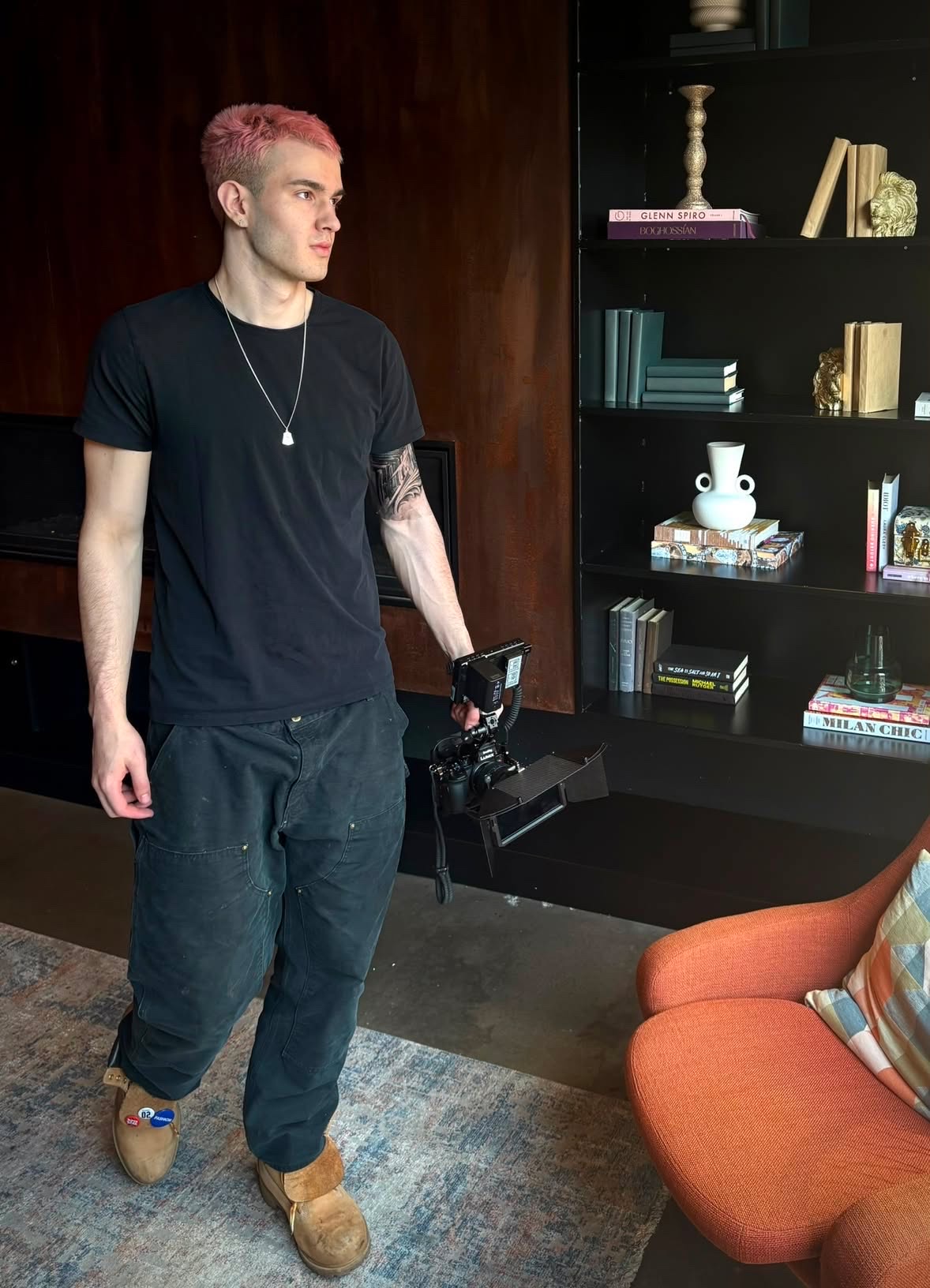
Some won’t work. That’s part of the process.
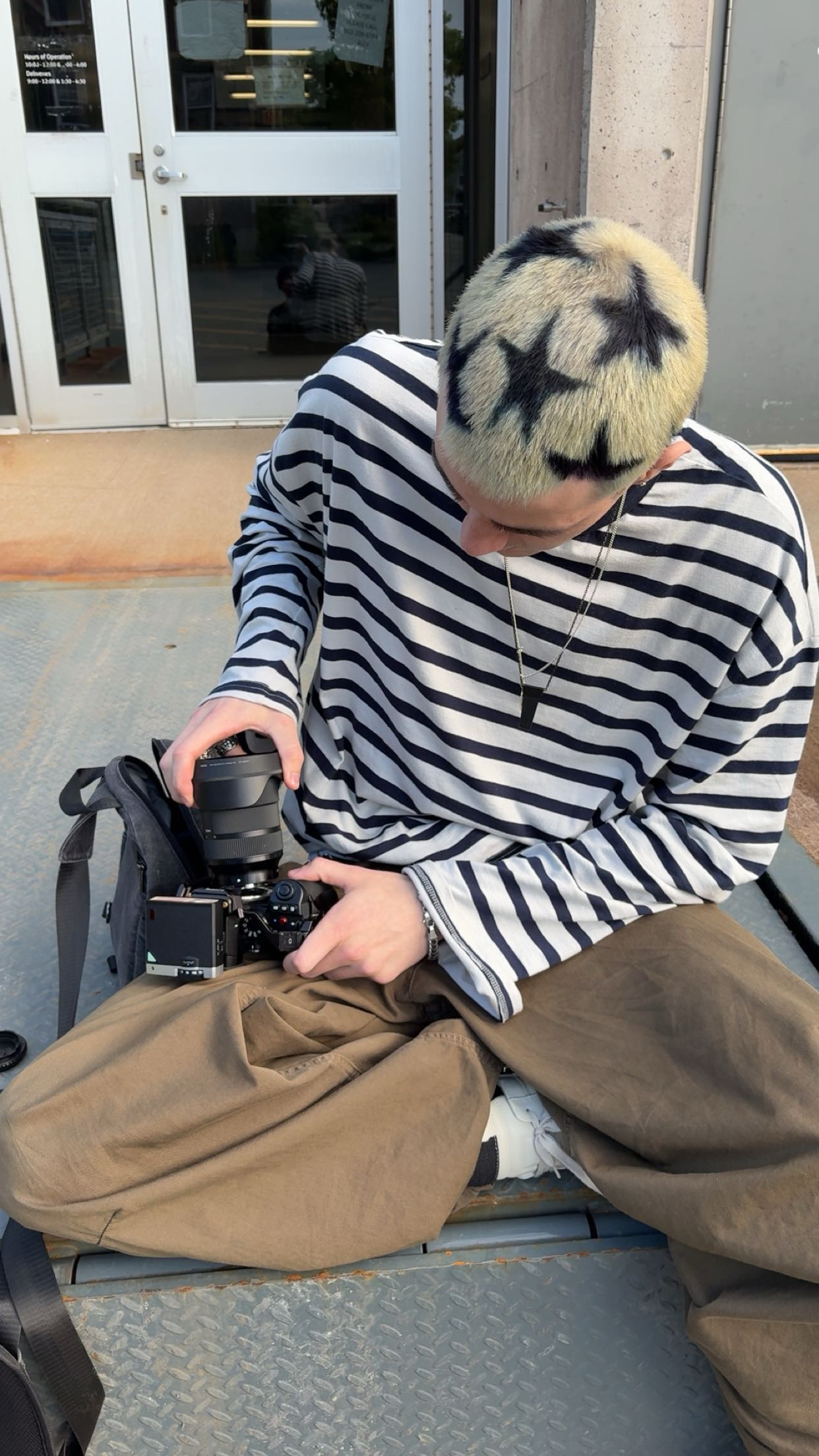
That willingness to take risks has helped him refine his technique across different environments instead of becoming dependent on one formula. His role also extends beyond photography. He frequently acts as the creative director for shoots, naturally stepping into a leadership position when a project calls for it. At the same time, he’s comfortable stepping back when another creative director is leading and allowing himself to focus entirely on the camera.
That ability to move between roles has become an important part of his creative identity.
From Photographer to Creative Builder
As Will’s photography developed, so did his ambitions beyond the camera. He eventually realized that he didn’t simply want to participate in Halifax’s creative scene. He wanted to help build it. That vision became SFV.
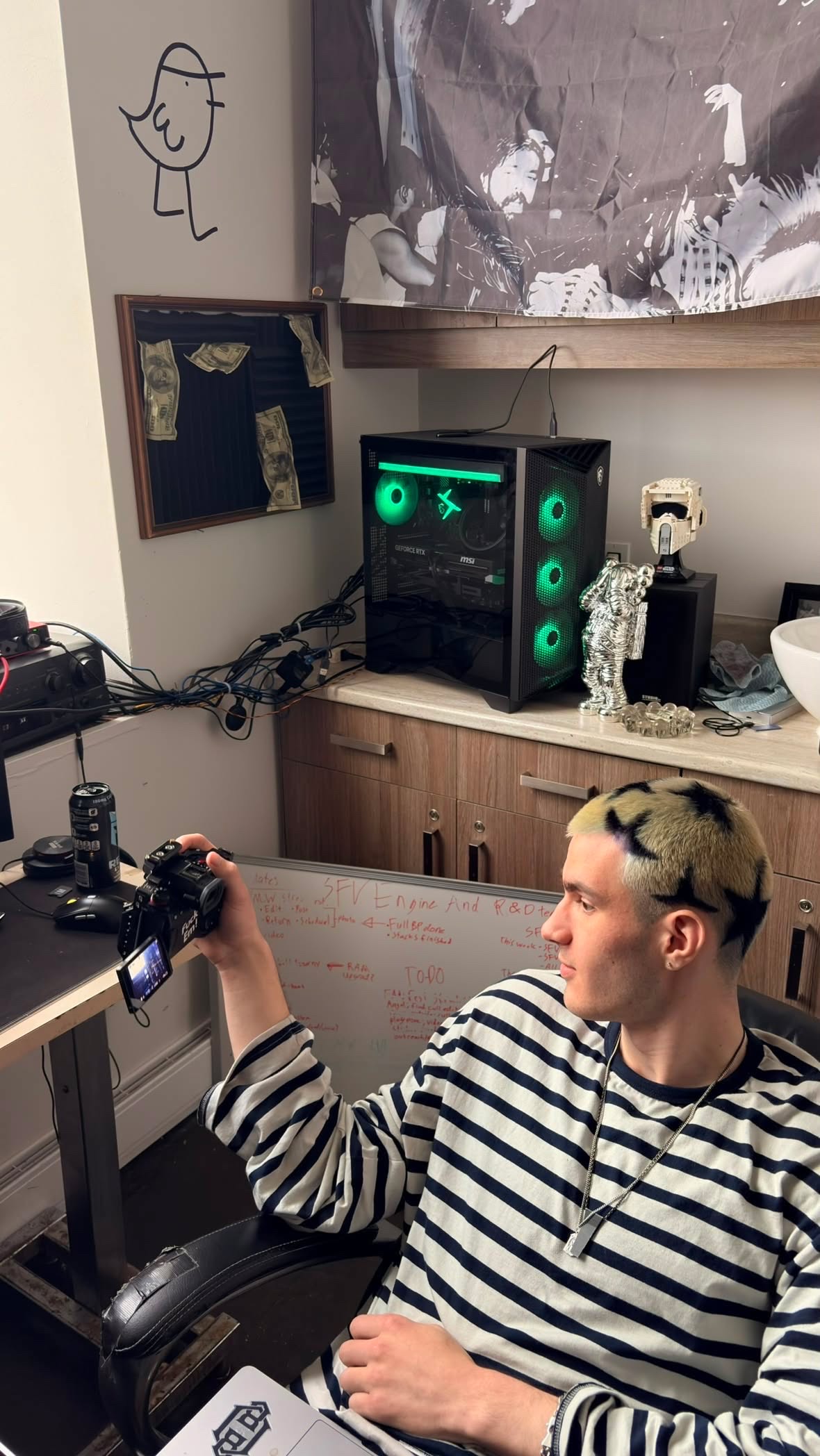
SFV, seven foot views, originally started as a burner account where Will posted his fit pictures. What began as a small personal outlet gradually grew as the idea behind it expanded. Today, SFV operates as a photography studio, event coverage company, and creative brand focused on bringing creative visions to life. Based in Scotia Square, the current studio includes a photography studio, recording studio, office space, and areas where other creatives can come in and work through their own mediums.
But the physical space is only the beginning. Will’s long-term vision is for SFV to grow into a full creative studio and agency encompassing photography, creative direction, marketing, events, and eventually a clothing brand. More importantly, he wants it to become a place where different creative disciplines can actually meet.
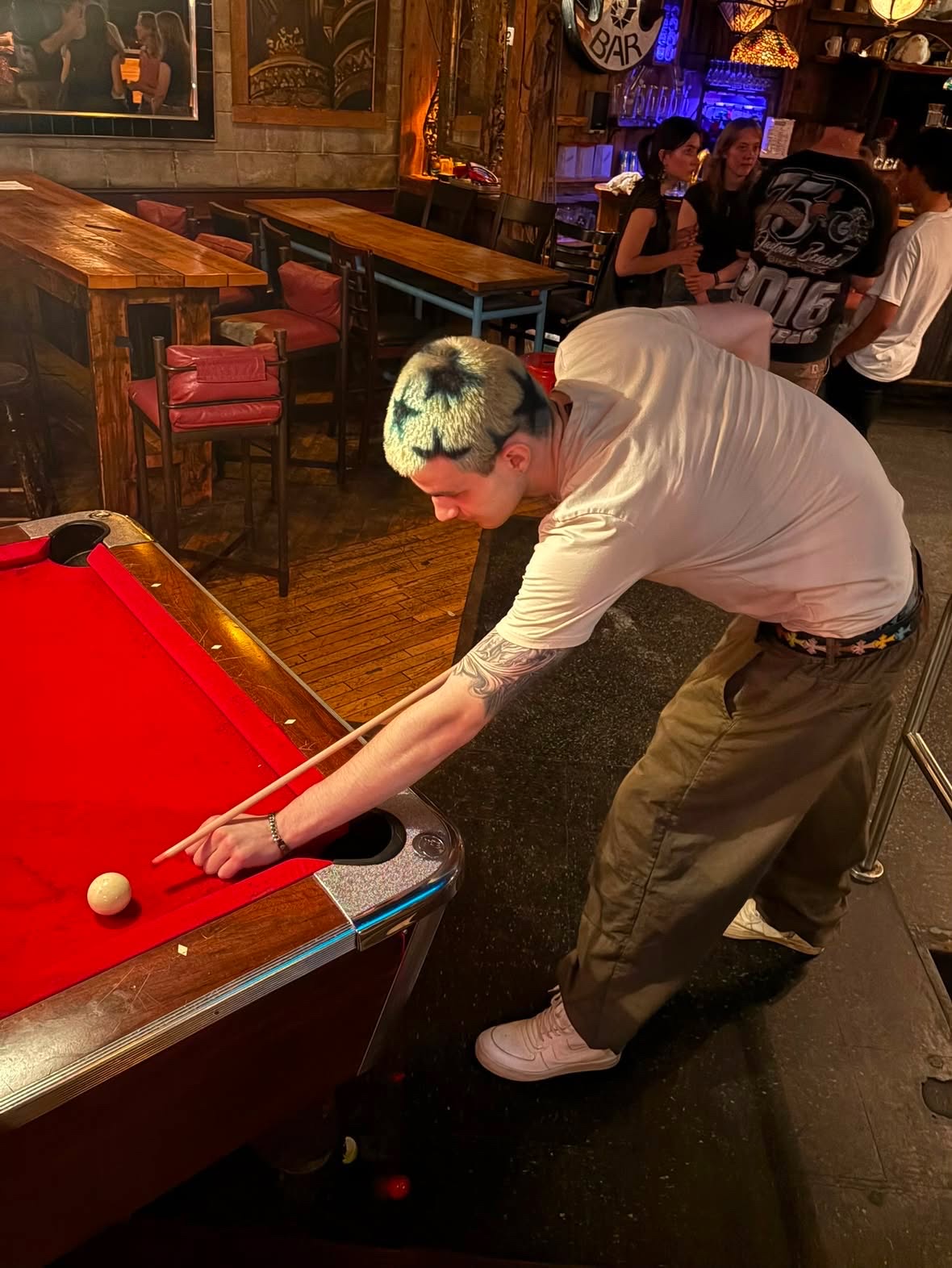
A photographer might meet a musician. A model might meet a designer. An artist might find a producer. Someone can walk in with one idea and leave having built something completely different with someone they had never met before. That sense of collaboration is central to what Will wants SFV to become.
His motivation comes partly from what he sees happening across Halifax. With creative budgets being cut throughout the city, the scale of opportunities available to local artists and creatives has become increasingly limited.
Will doesn’t want to simply accept that. One of SFV’s central goals is to help rebuild the city’s creative economy while making sure the people doing the work are actually paid.
For Will, supporting the industry means more than putting on events or producing good-looking content. It means treating creatives professionally, creating sustainable opportunities, and helping fund events, showcases, and productions that allow Halifax talent to be seen. And his ambitions extend beyond the city itself.
Putting Halifax on the Global Stage
One of Will’s biggest goals is to put Halifax on the global stage. He wants to bring international brands into the city and create opportunities for local models and creatives to work with them without having to leave Halifax to find that level of exposure. The talent is already here. What Will sees as missing is the infrastructure and investment to match it. SFV is his attempt to contribute to that.
The brand has already worked with Stokeduds and Morning Walk, while providing coverage for events including FIFA Fan Fest Toronto, Vibrancy Festival, and Jazz Fest.
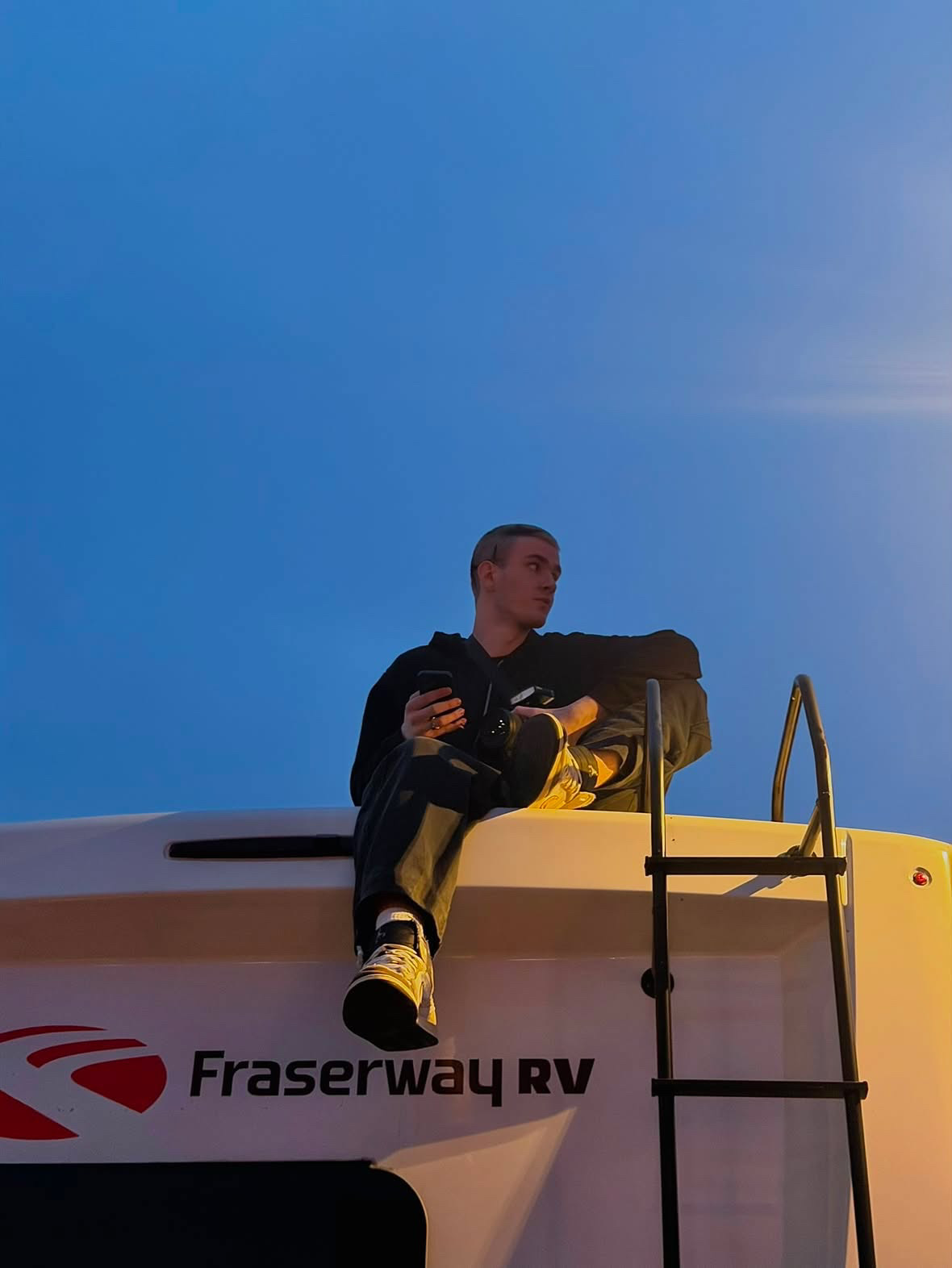
Through that work, Will has photographed artists including Skratch Bastid, Jessie Reyez, Egyptian Lover, Men I Trust, Elliott Barton, OK TK, Eddie Swee, Jason Kactus, Badi Sun, Jason Won, Alok, Trustrcken, JR Slotta, Senz, Will C, Elysium, Yaru, Q States, Quoia States, DJ IV, and numerous other performers and DJs.
He’s also built an extensive network of models and creatives, including Angel, Gizell A, Fio, Warren D, Tone Davis, Brandon Belotti, Jamila, Nowsin F, Josiah Dos, Elsie Tekilla, Sam, Solitha, and many others.
The list has grown too large to fit neatly into a single article, but the names represent more than credits. They represent relationships. They represent a community. They represent loyalty. And that community is ultimately the foundation of SFV.
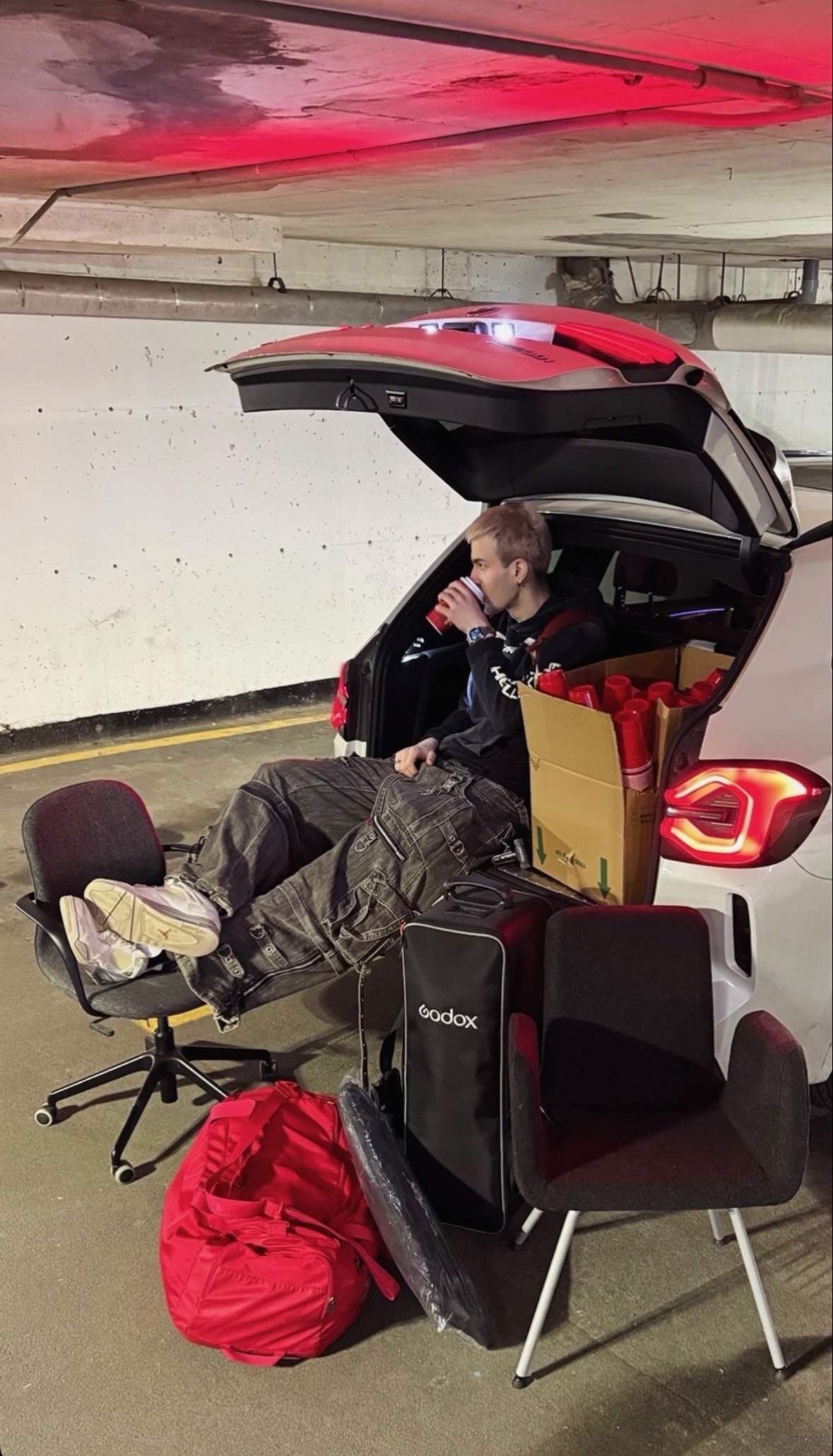
Carving His Own Lane
Will has no intention of following someone else’s formula. If a client has a specific reference or visual direction, he’s capable of working within it. But when he directs his own shoots, he deliberately avoids relying on visual references.
Instead, he often starts with music. The music establishes the tone, atmosphere, and emotional direction. From there, he allows the shoot to develop organically, responding to whatever happens in front of the camera. The result is work that feels less like a recreation of something that already exists and more like its own experience. That approach brings together everything that has shaped Will’s creative journey.
Basketball gave him discipline. His family gave him a connection to different cultures and a photographic legacy. Music gave him much of his visual language. Fashion, punk, psychology, and experimentation gave him new ways of understanding people and images.
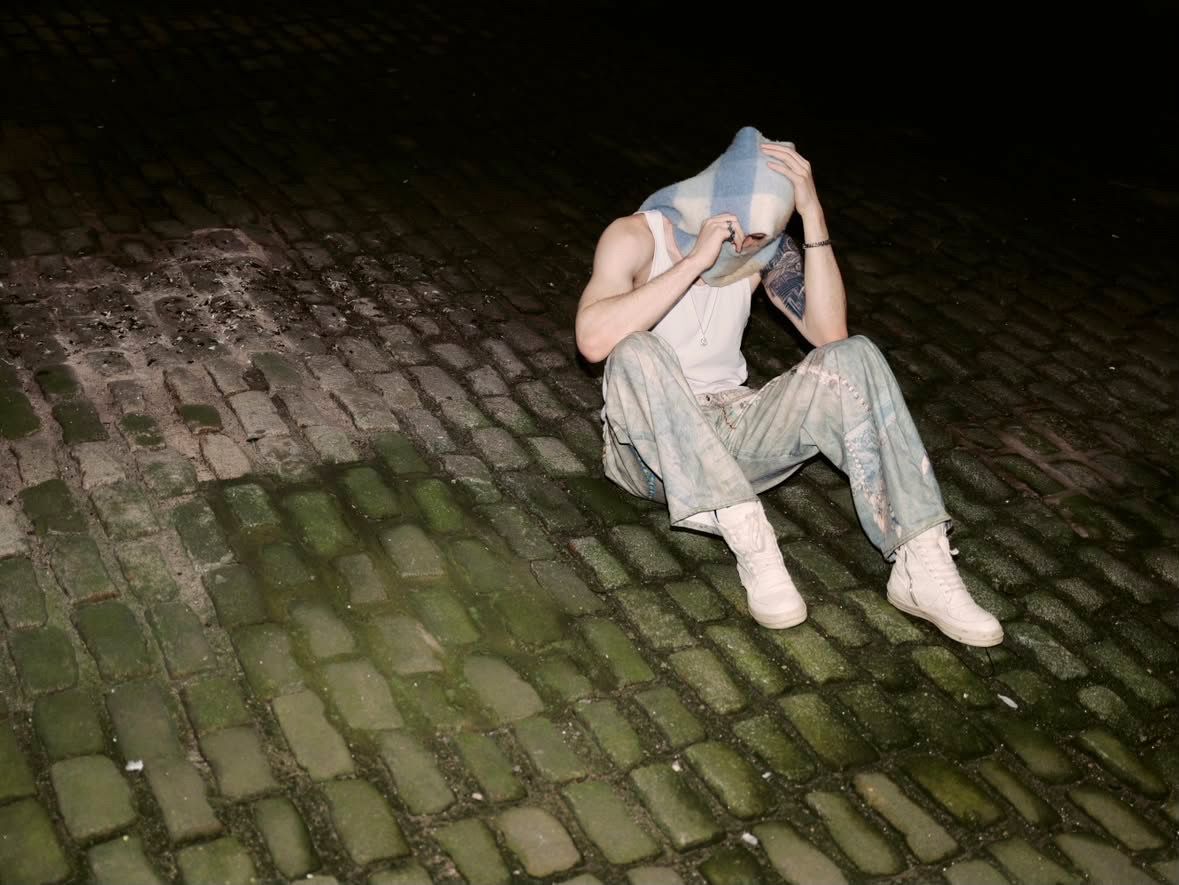
But SFV has given him something different: a way to build. Will isn’t interested in simply documenting Halifax’s creative culture from the sidelines. He wants to invest in it, connect it, and give it room to grow. He wants to make art. He wants to create opportunities. He wants to bring international attention to Halifax. He wants local creatives to be paid for their work. And he wants to build a space where people can walk through the door with nothing but an idea and find the people and resources to turn it into something real.
The camera was where Will started.
It just isn’t where the vision ends.
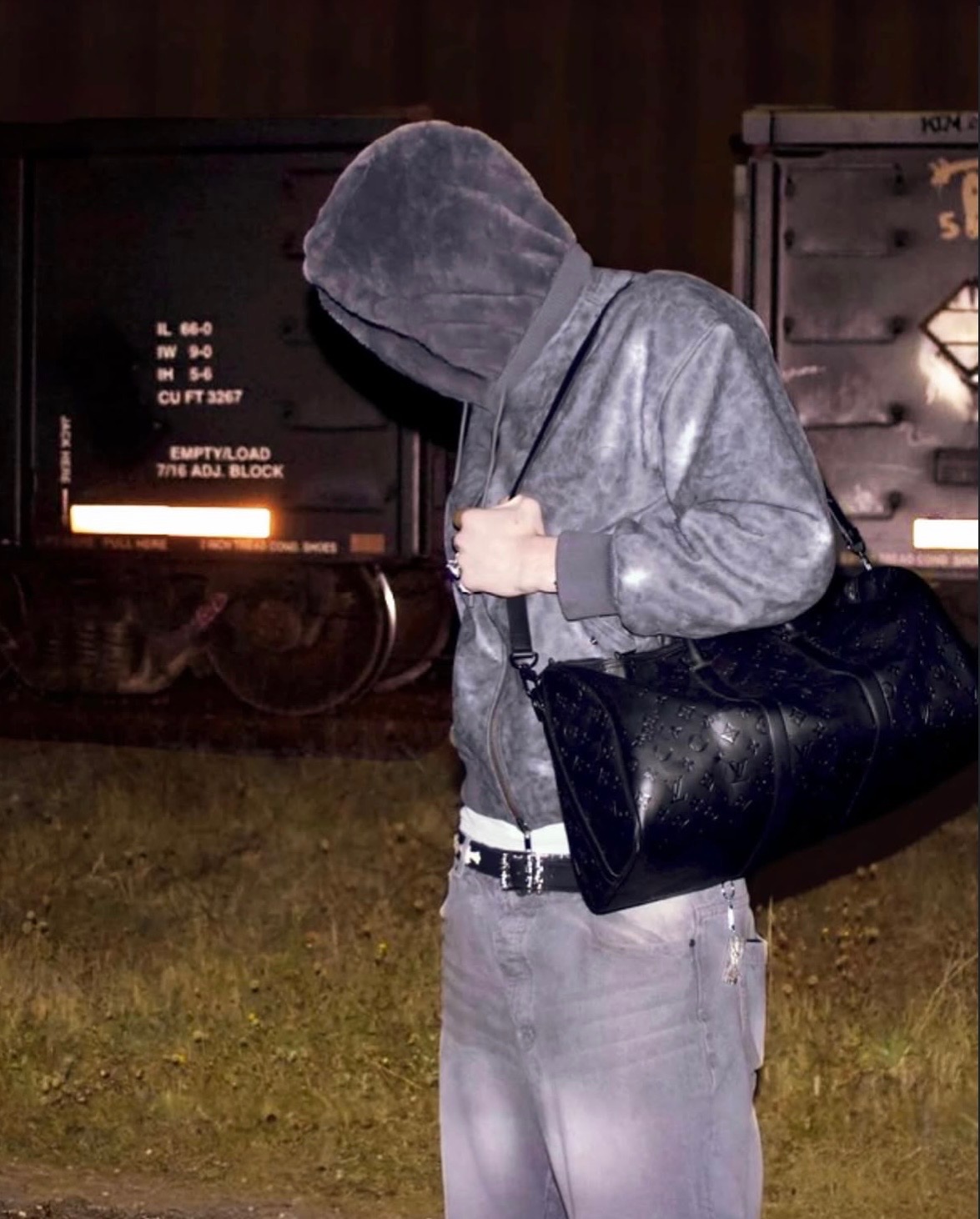
Will has his own website where he shares all his work: sevenfootviews.ca